Home / Lighting a Carlsbad Kitchen Through Gray Coastal Mornings
Lighting a Carlsbad Kitchen Through Gray Coastal Mornings
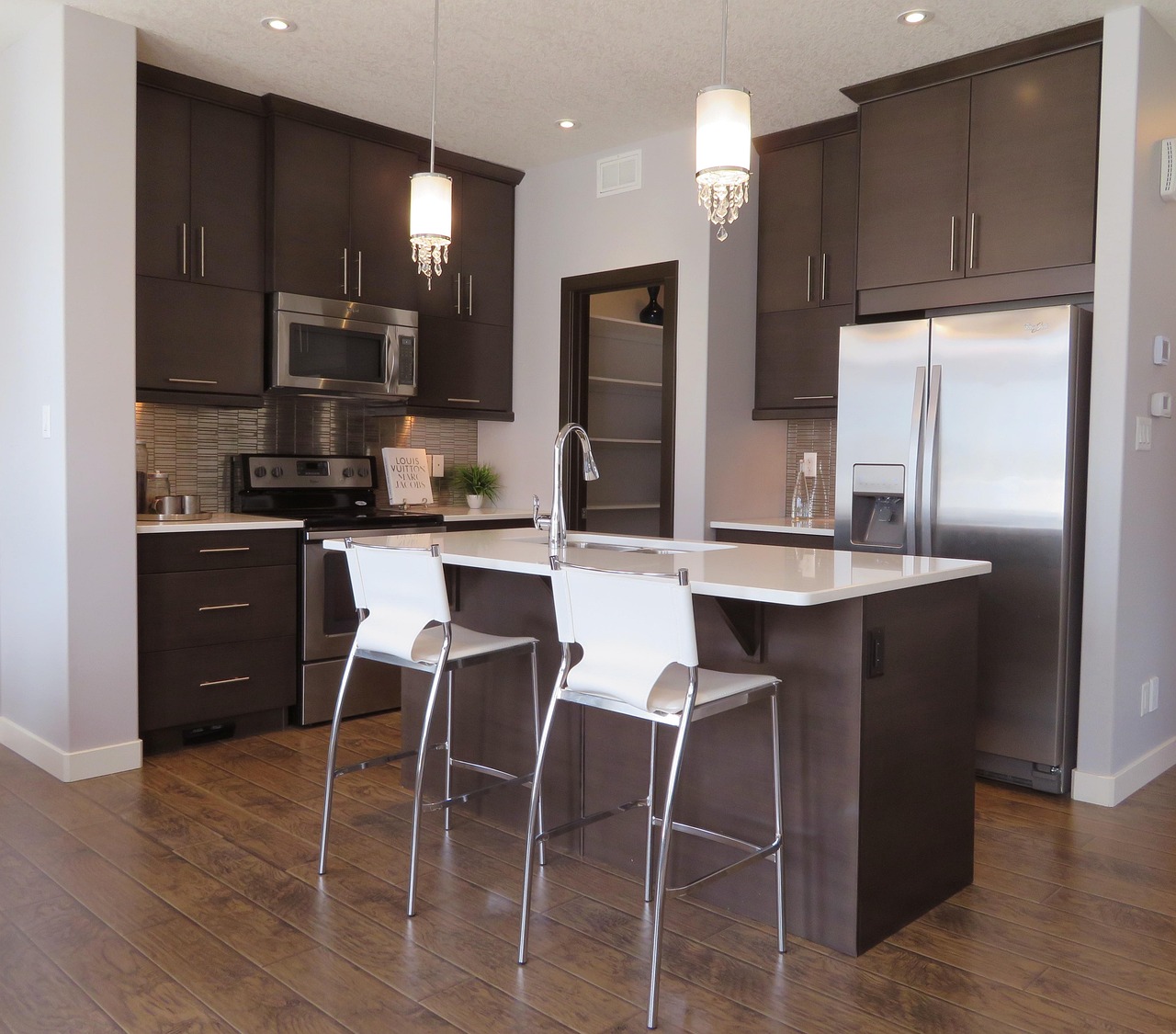
It is seven in the morning in late May. Outside a kitchen in Carlsbad, the sky is a flat sheet of gray that will not lift until close to lunch, and the window over the sink lets in a soft, colorless light that barely reaches the counter. Twelve hours later the same room is hit by a hard orange glow as the sun drops toward the Pacific Ocean. Few places ask a kitchen to handle two such different moods in one day, and that swing is the real reason lighting deserves careful thought during a remodel here.
What the Marine Layer Does to Daylight Indoors
The low cloud deck that rolls in off the ocean is a regular feature of the Mediterranean climate along the North County coast. Locals call the late spring stretch May Gray and the early summer stretch June Gloom. During those weeks, mornings are often overcast even when inland parts of San Diego County are already bright and warm.
Overcast daylight has two traits worth understanding. First, it is diffuse. Clouds scatter the light so it arrives from the whole sky rather than from one direction, which means there are almost no shadows but also very little punch. A window that floods a counter on a clear day may leave that same counter dim under the marine layer. Second, cloudy daylight reads as cool and slightly blue. Paint colors, wood cabinets and stone counters can look flatter and grayer than they do in a showroom.
What this means in practice is that a Carlsbad kitchen cannot count on its windows to do the morning work for a good part of the year. Electric light has to carry the room at breakfast, and it has to do so without feeling harsh against that soft gray backdrop.
Evening Sun Brings the Opposite Problem
Many homes in Carlsbad, especially those on the west side of El Camino Real or on hillsides with an ocean view, have windows that face toward the water. Late in the day those openings let in low, warm, raking light. It can be beautiful, but it also creates glare on glossy counters, bright hot spots on the floor and deep contrast between the sunlit side of the room and the far wall.
When the sun is low and strong, the instinct is often to switch on every fixture to even things out. That rarely helps, because a ceiling full of cool white light fighting warm sunset light makes the room look patchy. The better approach is a plan where you can raise light in the darker zones only, at a warmth that sits comfortably beside the evening glow.
Building the Three Layers
Lighting designers usually describe kitchen light in three layers. Each one has a separate job, and each should be on its own control so you can mix them to match the hour.
General light for moving around
The first layer fills the room so you can walk through it, find things in the pantry and see who is at the table. In most remodels this means a grid of recessed lights in the ceiling, sometimes paired with a flush or semi-flush fixture in a breakfast nook. On a gray morning this layer does a lot of the lifting, so it should be able to reach a fairly high output. At night, though, it is usually the layer you want lowest.
Task light for the counters
The second layer puts light right where hands are working. Under-cabinet lighting is the classic choice here, usually an LED strip light or a slim linear bar tucked behind the front lip of the upper cabinets. Because it sits close to the counter, it lights the cutting board without casting the shadow of your own head, which is what happens when the only source is a ceiling fixture behind you. Pendant lights over an island serve a similar purpose for the prep or seating area there.
Accent light for depth
The third layer adds interest: light inside glass-front cabinets, a strip along the top of tall cabinets, or a low glow at the toe kick. On a dark winter evening or late at night, this layer alone can be enough to cross the room for a glass of water. It also softens the contrast when strong evening sun lights only one side of the space.
Controls Matter as Much as Fixtures
Three good layers on a single switch defeat the purpose. Each layer should have its own control, and in most cases each should be on a dimmer. Dimming lets the general light run near full on a June Gloom morning, then drop to a low level during dinner while the task and accent layers stay on.
Several points help when planning controls:
- Match dimmers to the fixtures. LED fixtures and LED drivers need compatible dimmers. A mismatch can cause flicker, buzzing or lights that never fully turn off. Check the fixture maker's compatibility guidance before the switches are bought.
- Put switches where people enter. A kitchen with doorways at both ends, or an open plan that connects to a family room, often benefits from a three-way switch so the general light can be turned on or off from either side.
Choosing Color Temperature for Gray Mornings and Gold Evenings
Color temperature describes how warm or cool white light looks, and it is listed on fixtures in kelvin. Lower numbers look warmer and more amber; higher numbers look cooler and bluer. Many kitchens land in the warm white to neutral white range.
For a Carlsbad home, a reasonable approach is to keep all fixtures in the room at the same color temperature so nothing clashes, and to choose a value that feels comfortable both against the cool marine layer and next to warm sunset light. Very cool settings can make an overcast morning feel even grayer and can look clinical at night. Very warm settings can make white cabinets look yellow at midday.
Some fixtures now offer warm dimming, which shifts toward amber as the light is turned down, much like an old incandescent bulb.
Color rendering index is the other number worth reading. It describes how faithfully a light source shows colors compared with natural light. A higher rating makes food, wood tones and stone look truer. In a room where daylight is often muted by clouds, a high color rendering index helps the electric light show finishes as they were meant to look.
Neighborhood Differences Across Carlsbad
The housing stock varies widely, and that affects lighting plans.
Cottages in Carlsbad Village and Olde Carlsbad often have smaller windows and lower ceilings. They tend to stay dimmer on marine layer mornings, so the general and task layers matter more. Low ceilings also limit pendant choices and push toward slim recessed fixtures or close-mounted lights.
Tract homes from the 1970s and 1980s in La Costa and Calavera Hills commonly have a single central ceiling fixture or an old fluorescent box. Remodels there usually start by replacing that one source with a real layered plan.
Newer homes in Aviara, Rancho Carrillo and Bressi Ranch often have taller ceilings, larger windows and open kitchens that flow into family rooms. These spaces can swing from very bright to quite dim as the sun moves, so separate zones for the kitchen and the adjoining living area are especially useful.
Placing Fixtures to Work With the Windows
Daylight and electric light should complement each other. A few placement habits help:
- Map where the window light falls at different times. Note which counters stay dark on a gray morning and which get blasted at sunset.
- Put the strongest task light on the counters farthest from the windows, since they lose the most under overcast skies.
- Wire the recessed lights nearest the windows on a separate dimmer from those deeper in the room. On a bright evening you can leave the window row off and light only the far side.
- Use matte or diffused under-cabinet fixtures over polished stone to cut reflected glare, which is worse when low sun is already bouncing off the surface.
- Avoid placing a pendant directly in the line of sight between the island seating and an ocean view window, so the fixture does not compete with the view at sunset.
A Room That Fits the Day
The goal is a kitchen that feels bright and inviting at seven on a June Gloom morning and calm and comfortable at seven on a clear evening with the sun sinking over Carlsbad State Beach. Separate layers, a dimmer on each, a single consistent color temperature and fixtures placed with the windows in mind are what make that possible. Planned this way, the lighting adapts to the coast rather than fighting it.